## Understanding Tagatose Competitive Wholesale Pricing
Tagatose, a natural sweetener derived from lactose, has gained popularity due to its low glycemic index and low-calorie content. As demand for this innovative carbohydrate alternative rises, the competitive wholesale pricing of tagatose plays a critical role in making it accessible to manufacturers and consumers alike. This article delves into how tagatose competitive wholesale pricing works, its key components, and the advanced technologies driving efficient production processes.
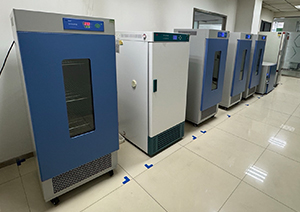
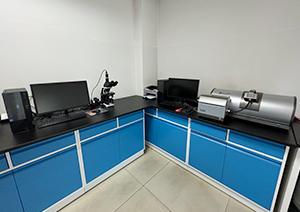
One of the fundamental elements of competitive wholesale pricing is the cost of production. Tagatose production involves complex processes such as enzymatic conversion and purification. Advanced technologies, including enzymatic reactors and high-performance liquid chromatography (HPLC), enable manufacturers to produce tagatose efficiently. These technologies enhance yield while minimizing waste, ultimately reducing production costs.
Another key component is market dynamics. Supply chain management tools powered by artificial intelligence (AI) and data analytics allow suppliers to closely monitor market trends, demand fluctuations, and raw material prices. This real-time data empowers suppliers to adjust their pricing strategies, ensuring that their tagatose products remain competitively priced. For example, if a retailer experiences increased demand for tagatose-based products, suppliers can swiftly adapt their pricing to capitalize on this trend while still offering an attractive price point compared to competitors.
Furthermore, economies of scale play a significant role in determining competitive wholesale prices. As production volumes increase, the average cost per unit decreases. For instance, large-scale manufacturers investing in cutting-edge production facilities can achieve lower operational costs, enabling them to pass these savings onto their customers in the form of lower prices. This is especially important in markets where price sensitivity is high, such as the food and beverage industry.
Additionally, collaborations and partnerships among suppliers can foster competitive pricing. By working together, suppliers can share resources, optimize logistics, streamline operations, and establish bulk buying agreements. This collaborative approach not only lowers costs but also enhances the overall market competitiveness of tagatose.
In conclusion, tagatose competitive wholesale pricing is influenced by several interconnected factors, including production costs, market dynamics, economies of scale, and supplier collaborations. The application of advanced technology in the production process is paramount, as it enables manufacturers to remain efficient and responsive to market demands. This efficiency ultimately leads to more competitive pricing, benefiting suppliers and consumers alike. For further information on sourcing tagatose or to connect with our network of suppliers, feel free to contact us.

 Lactulose liquid for chronic constipation relief