Crystalline fructose is a naturally occurring sugar derived from fruits and honey, known for its sweetness and versatile applications in food and beverage products. It is a monosaccharide, or simple sugar, that serves as an important alternative sweetener, particularly for those seeking low-calorie and low-glycemic options. Extracted primarily from corn, crystalline fructose undergoes processing that allows it to achieve a fine crystalline form, making it easy to incorporate into various recipes and formulations.
One of the key advantages of crystalline fructose is its sweetness level, which is about 1.2 to 1.7 times sweeter than table sugar (sucrose). This heightened sweetness enables manufacturers to use less product to achieve the desired taste profile, potentially reducing overall caloric content in formulations. Additionally, crystalline fructose has a lower glycemic index compared to sucrose, meaning it does not cause as sharp of a spike in blood glucose levels. This property makes it an appealing option for individuals managing insulin sensitivity, diabetes, or those simply looking to maintain balanced energy levels.
Crystalline fructose is often used in a variety of applications, ranging from soft drinks and sports beverages to dairy products, snacks, and baked goods. Its unique properties allow it to retain moisture, contributing to the texture and shelf life of various products. Furthermore, crystalline fructose blends well with other sweeteners, providing flexibility for product development and formulation.
Expertise in food science and nutrition highlights the importance of understanding how different sweeteners impact health and wellness. While crystalline fructose may offer benefits, it is essential to consider individual dietary needs and preferences. Nutritionists and health professionals often recommend moderation in the consumption of any added sugars, including crystalline fructose.
In conclusion, crystalline fructose represents a meaningful innovation in the realm of sweeteners, combining natural sourcing with a favorable sweetening profile and nutritional considerations. With its increasing presence in health-conscious products, it underscores the ongoing shift towards more mindful food choices. As consumer demand for alternative sweeteners and lower glycemic options grows, crystalline fructose is poised to play a significant role in shaping the future of the food industry. Understanding its properties and uses is critical for manufacturers, dietitians, and consumers alike, as they navigate a landscape rich with choices for sweetening food and beverages.

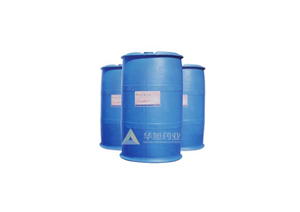
 Lactulose liquid export from China