Allulose has rapidly emerged as a revolutionary sugar alternative that appeals to health-conscious consumers and industries alike. As an epimer of fructose, allulose boasts a low-caloric profile, delivering approximately 0.4 kcal per gram. Its unique qualities, including the ability to replicate the taste and texture of traditional sugar without the associated caloric burden, have driven demand across various sectors, particularly in food and beverage production, pharmaceuticals, and health supplements.
The bulk allulose industrial supply market has seen significant evolution, catalyzed by increasing consumer preferences for low-calorie, low-glycemic-index sweeteners. This trend is grounded in a broader movement towards healthier eating habits and lifestyle choices. Manufacturers are responding by incorporating allulose into a wide array of products, including baked goods, dairy alternatives, beverages, and confections, all of which benefit from its functional properties and appealing sensory attributes.
Expertise in the production of allulose involves an intricate understanding of enzymatic processes that convert fructose into allulose. This process typically requires specialized equipment and knowledge of food science, necessitating partnerships with experienced suppliers who can guarantee high-quality, food-grade allulose while adhering to rigorous safety and regulatory standards. This expertise is essential in mitigating risks related to product consistency, dietary compliance, and regulatory approval, underscoring the importance of collaborating with authoritative suppliers.
Experience in the bulk allulose supply chain is pivotal for stakeholders who wish to scale their operations efficiently. Established suppliers bring years of knowledge in navigating the complexities of sourcing, processing, and distributing allulose, ensuring timely deliveries and competitive pricing. Such experience translates to reliability in fulfilling large orders, maintaining quality, and responding to market fluctuations, which is crucial for businesses looking to innovate and maintain a competitive edge in a dynamic marketplace.
Additionally, the authoritativeness of a supplier is determined by their commitment to transparency and adherence to industry best practices. This encompasses everything from sourcing raw materials sustainably to implementing robust quality control measures. Certifications and endorsements from recognized industry bodies further enhance a supplier’s credibility, instilling confidence in buyers regarding the integrity of their products.
In an era where consumer choices increasingly favor healthier options, the bulk allulose industrial supply chain represents a forward-looking segment poised for growth. As innovation in food science continues and awareness of carbohydrate management rises, this sector is likely to become an integral part of the future of sustainable food production, answering the call for healthier, more responsible sweetening solutions.

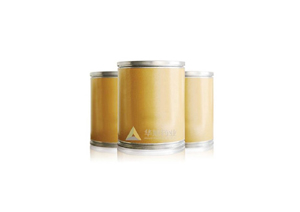
 Lactulose liquid USP/BP grade