## Understanding Tagatose Sugar: Mechanisms and Technological Applications
Tagatose is a natural sugar substitute that has garnered attention for its unique functional properties and health benefits. Derived from lactose, tagatose is a rare monosaccharide that mimics the taste and texture of sucrose while offering significantly lower caloric content and a low glycemic index. This makes tagatose an attractive option for consumers seeking healthier alternatives without compromising on sweetness.
At its core, tagatose possesses a chemical structure similar to fructose, but with differing functional characteristics. This differentiation allows tagatose to interact uniquely with the body's metabolic pathways. When consumed, tagatose is absorbed more slowly than traditional sugars, minimizing spikes in blood glucose levels. Additionally, it is partially fermented in the gut, leading to minimal caloric contribution while promoting beneficial gut bacteria.
The production of tagatose involves advanced enzymatic processes. Utilizing the latest biotechnological advancements, tagatose is produced through an enzymatic conversion of lactose or lactose-derived compounds. The use of specific enzymes, such as tagatose-6-phosphate epimerase, allows for the transformation of these precursor sugars into tagatose with high efficiency. This streamlined production method not only reduces energy consumption but also minimizes waste, making it more sustainable compared to traditional sugar manufacturing.
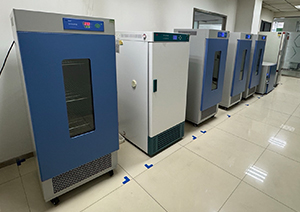
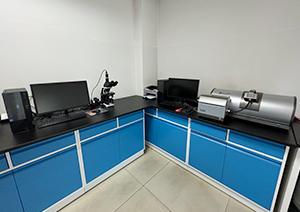
Modern manufacturing techniques such as enzymatic bioprocessing are crucial in the production of tagatose. By leveraging fermentation and biocatalysis, manufacturers can produce tagatose in a more eco-friendly manner while ensuring high purity levels. Advanced monitoring systems are employed to optimize production parameters, ensuring that tagatose is both cost-effective and consistent in quality. This is vital as food and beverage companies increasingly seek reliable suppliers who can meet their demands for high-quality ingredients.
Practical applications of tagatose are vast. In the food industry, it can be found in products such as baked goods, confectionery, and even dairy products. For instance, a bakery can replace a portion of sugar with tagatose to enhance sweetness while reducing calories, catering to health-conscious consumers. In beverages, tagatose can provide a sweet flavor profile without the accompanying calories, making it an ideal choice for soft drinks and flavored waters.
In conclusion, tagatose sugar ingredient represents a remarkable advancement in food technology. With its unique mechanisms of action and the adoption of cutting-edge production methods, tagatose stands out as a versatile ingredient that aligns with modern dietary needs. For food manufacturers looking to innovate, working with experienced suppliers in tagatose production is essential. For more information on sourcing tagatose and collaborating with reliable suppliers, feel free to contact us.

 tagatose sugar ingredient distributor