Allulose is a low-calorie sugar substitute that has gained significant attention in recent years due to its unique properties and health benefits. As consumers increasingly lean towards healthier lifestyles, the demand for sugar alternatives has surged, and allulose stands out as an excellent option. Its ability to mimic the sweetness of sugar without the associated calories makes it particularly appealing to those looking to reduce sugar intake without sacrificing flavor.
In response to rising demand, allulose bulk packaging options have become essential for both manufacturers and consumers seeking cost-effective and convenient solutions. Bulk packaging refers to larger volumes of allulose that are offered to businesses, food manufacturers, and organizations requiring substantial quantities for production and distribution. These options not only streamline the purchasing process but also reduce costs associated with packaging and shipping smaller quantities.
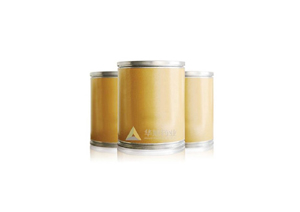
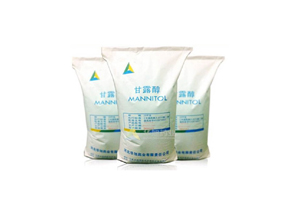
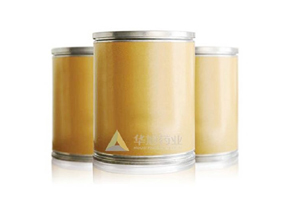
Bulk packaging of allulose typically comes in various forms, including bags, drums, and totes, each catering to different operational needs. For food manufacturers and bakeries, bulk bags often contain anywhere from 25 to 2000 pounds of allulose, allowing for efficient use in large-scale production. Drums, which may hold around 300 pounds, are popular in industries that require frequent access to moderate amounts. Totes, or intermediate bulk containers (IBCs), can accommodate up to 1,000 liters, providing versatility for various applications, including the beverage and confectionery sectors.
Choosing the right bulk packaging option is crucial for maintaining the quality and integrity of allulose. Proper storage conditions are important, as this sweetener can absorb moisture and potentially clump if not handled appropriately. Reputable suppliers often implement best practices for packaging, ensuring that their products are kept in airtight containers that preserve freshness and prevent contamination.
Moreover, businesses should consider the supplier's expertise and track record when selecting bulk allulose. Partnering with established companies that prioritize quality oversight and adhere to regulatory standards is essential to ensure product safety and reliability.
In summary, allulose bulk packaging options are vital in meeting the needs of manufacturers and consumers alike who are looking to incorporate this promising sweetener into their products. With the increasing popularity of low-calorie alternatives, understanding the benefits and logistics of allulose bulk packaging is integral for businesses aiming to thrive in the health-conscious market. By focusing on quality and supplier expertise, stakeholders can confidently navigate the rapidly evolving landscape of sugar substitutes.

 Lactulose liquid supplier and manufacturer