Most searchers are not looking for a textbook definition. They want a direct, practical answer: Is tagatose healthier than sugar, and is it worth switching? The first thing they expect is a clear comparison of sweetness, calories, glycemic impact, taste, and cost. They also want to know whether tagatose can replace sugar in real products without creating new problems.
For buyers and formulators, this question is often tied to commercial use. They are not only asking about nutrition. They are asking whether Wholesale Tagatose can support product development, label claims, and consumer acceptance. Huaxu Pharmaceutical helps buyers evaluate these questions with reliable ingredient supply and product data.
The real pain points are usually practical rather than theoretical. Buyers want to solve multiple problems at once:
These concerns are why content about tagatose vs sugar must go beyond simple health claims and address real application performance, formulation challenges, and purchasing decisions.
A practical comparison table helps readers quickly see the differences between tagatose and sugar. This is the kind of content Google users expect near the top of the page because it answers the most common first-step questions.
| Parameter | Tagatose | Sugar |
|---|---|---|
| Sweetness | About 90 percent of sucrose | Reference standard, 100 percent |
| Calories | Lower than sugar | Higher than tagatose |
| Glycemic impact | Lower | Higher |
| Taste profile | Clean sweetness, close to sugar | Classic sugar taste |
| Aftertaste | Generally mild | None in normal use |
| Heat stability | Good for many applications | Good |
| Digestive tolerance | May cause discomfort at high intake for some users | Usually well tolerated in normal diets |
| Industrial use | Useful in reduced sugar products | Universal baseline ingredient |
The most important issue is not just sweetness. Buyers must compare how the ingredient performs in real product systems. A lower-calorie sweetener that fails in texture, browning, or solubility can create more problems than it solves. That is why searchers want both nutritional and technical data.
Searchers often look for hands-on application results because ingredient performance matters more than theory. When comparing tagatose vs sugar, they want to know whether tagatose works in beverages, baked foods, dairy products, confectionery, and nutrition products.
In drinks, tagatose is valued for its clean sweetness and low glycemic profile. It can help create reduced-sugar beverages with a more sugar-like taste than many high-intensity sweeteners. Buyers often want to know whether it dissolves well, whether sweetness is stable over shelf life, and whether it blends smoothly with acids and flavors.
In baking applications, tagatose can be attractive because it may support browning and a sugar-like mouthfeel. However, formulators still need to test texture, moisture retention, and shelf stability. Searchers want to know whether the final product stays soft, whether the browning looks natural, and whether the sweetness remains acceptable after heating.
For dairy products, tagatose is often attractive because it can deliver a mild sweet profile without a strong aftertaste. Buyers want to know if it works in yogurt, flavored milk, pudding, and ice cream. Stability, sweetness consistency, and product texture are the main concerns.
A high-quality article must clearly summarize the strengths and weaknesses of tagatose compared with sugar. Users searching for this topic usually suspect that a health-oriented sweetener has both benefits and trade-offs. They want an honest evaluation they can trust.
Purchasing teams usually want the ingredient that creates the best overall business result. That includes finished product success, consumer acceptance, and cost efficiency. Tagatose may be worth the investment when the market demands reduced sugar, better nutrition, and sugar-like sensory performance. Sugar may still be preferred where cost and universal compatibility are the top priorities.
Many readers are not asking whether tagatose is generally better. They are asking whether it is better for their specific product and audience. That is why content should include buyer-fit guidance and use-case segmentation.
Sugar remains highly competitive when the priority is cost, familiar processing behavior, and broad consumer acceptance. In mass-market products where sugar reduction is not a key selling point, sugar may still be the easiest option. The decision depends on the final product strategy, not on a single ingredient feature.
Tagatose vs sugar content should include practical process notes because buyers often work with formulation teams. They want to know if tagatose can handle heat, acidity, storage, and mixing conditions without losing functionality.
If a sweetener performs well in the lab but becomes unstable in mass production, it creates cost, time, and quality problems. Buyers want confidence that the ingredient will behave consistently across batches. This is especially important for companies sourcing Wholesale Tagatose for commercial production.
A common purchase question is not only whether tagatose is better, but whether it is worth the higher ingredient cost compared with sugar. Searchers want a business-oriented evaluation that includes supply consistency, specification control, and product margin impact.
For industrial buyers, the right supplier reduces risk. A dependable source of Wholesale Tagatose should provide clear specification sheets, quality control support, and stable delivery capability. Huaxu Pharmaceutical offers this kind of B2B support for companies that need ingredient consistency and commercial reliability.
The strongest comparison content ends with clear recommendations. Readers want to know who should choose tagatose, who should stay with sugar, and what to test before buying. This conclusion helps move the reader from research to action.
The best choice depends on your product goals. If the priority is lower sugar, a cleaner nutritional profile, and a taste closer to sucrose than many alternatives, tagatose is worth serious consideration. If the priority is lowest cost and universal compatibility, sugar may remain the default choice. Before committing to commercial production, buyers should run pilot tests, confirm technical fit, and review supplier quality documentation.
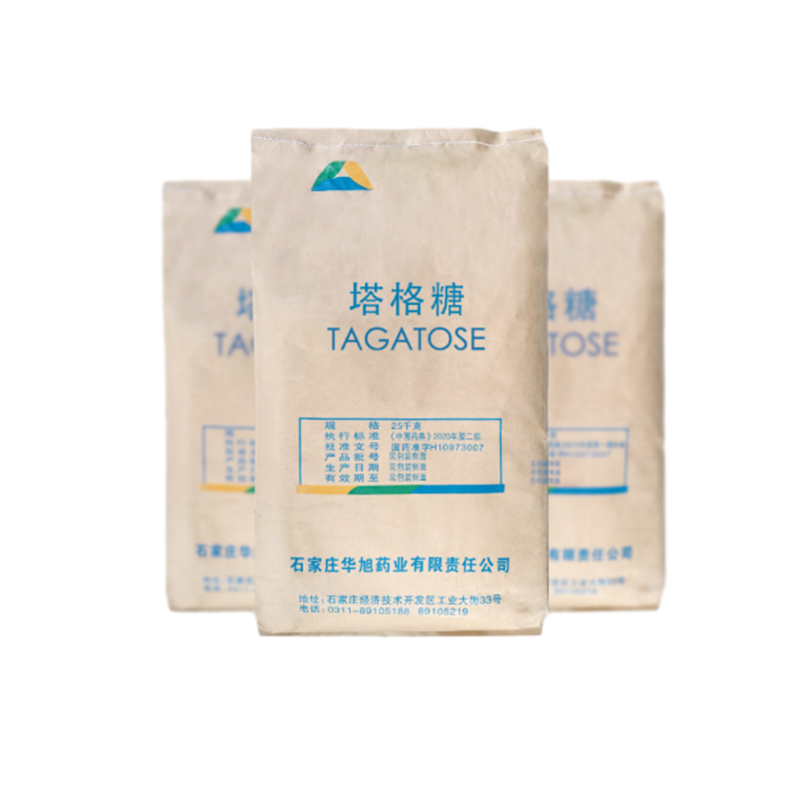
For companies exploring Wholesale Tagatose, Huaxu Pharmaceutical can support ingredient sourcing and product evaluation with dependable supply and technical communication. Learn more at this reference image and through our company site at Huaxu Pharmaceutical.
In summary, tagatose vs sugar is not just a nutrition comparison. It is a buying decision based on taste, formulation performance, health positioning, and supply reliability. For the right product, Wholesale Tagatose can offer clear commercial value, especially when sourced with the support of Huaxu Pharmaceutical.